 Reviews



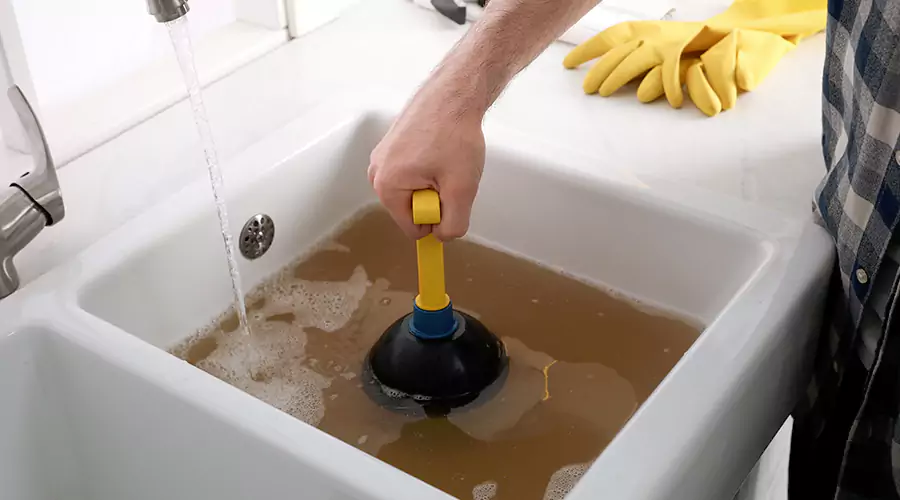
A blocked sink drain can often be fixed by removing trapped debris from the stopper or P-trap before using a manual drain snake. Professional drain cleaning averages $246 in the United States according to August 2026 pricing data, with a typical range of $147 to $352. The correct repair depends on where the blockage is located. A sink that has stopped draining needs more than a quick surface rinse. Hair can accumulate around bathroom sink stoppers, while kitchen drains commonly collect food residue and grease. The goal is to locate the obstruction and remove it without damaging the plumbing.
What Causes a Blocked Sink Drain?
A sink becomes blocked when accumulated material prevents water from passing through the drain at its normal rate. The material often collects near the stopper or inside the P-trap. However, more extensive buildup can develop farther into the branch pipe.
The most common causes include:
- Hair caught around bathroom sink components.
- Food residue trapped beneath a kitchen strainer.
- Grease collecting inside kitchen drainage pipes.
- Small objects lodged inside the P-trap.
- Accumulated residue inside the branch drain.
- Existing partial blockages that continue collecting debris.
A complete blockage often develops from an earlier restriction that was never fully removed. Therefore, restoring water movement is only the first part of a lasting repair.
How Can You Tell Where the Blockage Is Located?
The behavior of the sink provides clues about the blockage's location. A clog near the stopper may be visible after removing it. A completely clean stopper with continued backup shifts attention toward the P-trap or the pipe entering the wall.
The following comparison can help identify the next diagnostic step.
| Sink Condition | Possible Location | Recommended Inspection | 2026 Cost Consideration |
|---|---|---|---|
| Debris visible beneath the stopper | Upper drain | Remove accessible material | Usually DIY |
| Water remains after surface cleaning | P-trap | Inspect the curved pipe | Usually DIY |
| P-trap is completely clean | Branch drain | Use a manual auger | 147–352 for typical professional cleaning |
| Several sinks are blocked | Shared drainage | Investigate a wider plumbing problem | May exceed basic cleaning costs |
Typical professional drain cleaning costs are based on reported U.S. pricing. Deeper blockages may require different equipment.
What Are the Warning Signs of a Serious Blockage?
A severe sink blockage usually prevents normal drainage even after surface debris has been removed. Additional symptoms can reveal whether the problem has developed farther into the plumbing.
Watch for these warning signs:
- Standing water remains in the basin for an extended period.
- The drain makes repeated gurgling sounds.
- Water backs up through the second bowl of a double sink.
- Plunging produces no noticeable improvement.
- The P-trap is clear but the sink remains blocked.
- The same obstruction returns shortly after clearing.
- Another household fixture begins draining slowly.
- The sink backs up when another appliance discharges water.
- Wastewater returns through the drain without normal sink use.
- A manual auger cannot reach or move the obstruction.
Symptoms affecting multiple fixtures deserve particular attention because they can indicate a restriction farther downstream.
What Should You Do Before Attempting the Repair?
Preparation reduces the risk of spills and makes the drain easier to inspect. A blocked sink may contain enough standing water to flood the cabinet when the P-trap is opened.
Before starting:
- Remove standing water with a suitable container.
- Put on protective gloves.
- Remove stored items from beneath the sink.
- Position a bucket under the P-trap.
- Check whether chemical drain opener has already been used.
- Identify the type of stopper or strainer installed.
Do not remove drain fittings when unknown corrosive chemicals remain inside the plumbing. Opening a chemical-filled trap can cause hazardous liquid to spill or splash.
How Do You Repair a Blockage Near the Drain Opening?
A shallow blockage can often be removed without opening any plumbing connections. Bathroom sink stoppers commonly trap hair, while kitchen strainers can retain food material immediately beneath the drain opening.
Begin with the accessible components.
- Remove the stopper or strainer according to its design.
- Inspect the opening with a flashlight.
- Pull out visible material with a suitable tool.
- Clean residue from the removed component.
- Use a flexible plastic drain tool when hair remains below the opening.
- Dispose of all removed material in the trash.
- Test drainage with a small amount of water.
If normal drainage returns, continue testing before deciding the repair is complete. A deeper blockage requires further investigation rather than repeated surface cleaning.
How Do You Fix a Blockage With a Plunger?
A sink plunger creates pressure changes that can loosen soft material inside the drain. The plunger needs a watertight seal around the opening. Any connected overflow or second sink opening should be sealed so pressure reaches the blockage.
Follow this procedure:
- Leave enough water in the basin to cover the plunger cup.
- Seal the overflow opening when one is present.
- Block the unused drain on a double sink.
- Position the plunger over the affected opening.
- Begin with gentle pressure to establish the seal.
- Use controlled push-and-pull movements.
- Check drainage after approximately 20 to 30 seconds.
If repeated attempts produce no improvement, stop plunging and inspect the plumbing directly. Plunging is a commonly recommended early method because it can move nearby soft obstructions without opening the drainage assembly.
How Do You Inspect and Clean the P-Trap?
The P-trap is the curved pipe beneath the sink. Its shape allows it to retain water and block sewer gases. It can also collect debris that prevents normal drainage. Removing the trap gives you direct access to a common blockage location.
- Place a bucket directly beneath the trap.
- Loosen the slip-joint nuts carefully.
- Support the trap while removing it.
- Empty the water and debris into the bucket.
- Clean the inside with a suitable brush.
- Inspect the washers for damage.
- Reinstall the trap with its connections correctly aligned.
- Test the assembly for leaks.
If the trap contains substantial debris, cleaning it may restore drainage immediately. A clean trap combined with continued backup indicates that the obstruction is probably farther into the drainage system.
How Do You Fix a Blockage Beyond the P-Trap?
A manual drain snake can reach a blockage inside the branch pipe beyond the P-trap. This method provides better access than repeatedly pushing tools through the sink opening. Insert the cable into the pipe leading toward the wall. Advance it gradually and rotate the handle when resistance develops.
Use short controlled movements instead of excessive force. When the cable catches material, withdraw it slowly and remove the debris. Repeat the process only when drainage begins improving. A drain snake is designed to reach deeper obstructions that ordinary plunging cannot remove.
How Can You Confirm the Blockage Is Completely Removed?
A repaired sink should handle sustained faucet flow and a larger release of water without overflowing. A small opening through the obstruction may allow limited drainage while leaving enough material to cause another blockage.
Perform a controlled test:
- Reassemble all plumbing connections.
- Run water at a low rate.
- Inspect the P-trap for leaks.
- Increase the faucet flow.
- Fill the basin partway.
- Release the stopper.
- Observe the drainage speed.
- Inspect beneath the sink again.
A successful repair restores normal drainage without creating new leaks.
When Should You Call a Professional?
Professional help becomes appropriate when the P-trap is clean but the blockage remains beyond the reach of a household drain snake. Repeated blockages or symptoms affecting several fixtures also warrant deeper investigation. Professional drain cleaning costs approximately $147 to $352 in the United States in 2026. The reported average is $246.
Professional diagnosis is appropriate when:
- Several drains are blocked simultaneously.
- A manual auger cannot restore drainage.
- Wastewater returns through another fixture.
- The clog repeatedly returns after mechanical clearing.
- Drain piping shows signs of damage.
- Water leaks from connections during backup.
Deeper drain equipment can reach restrictions that ordinary household tools cannot.
How Can You Prevent Another Blocked Sink Drain?
Prevention depends on reducing the amount of material entering the sink. Kitchen drains benefit from food strainers and proper grease disposal. Bathroom sinks need regular hair removal around their stoppers.
Useful maintenance habits include:
- Remove visible debris before washing the basin.
- Clean bathroom sink stoppers regularly.
- Keep cooking grease out of kitchen drains.
- Avoid rinsing coffee grounds into the sink.
- Investigate unusually slow drainage early.
- Inspect accessible plumbing when recurring blockages develop.
These habits reduce the chance of another obstruction developing around material left inside the pipe.
Conclusion
To fix a blocked sink drain, identify the location of the obstruction before using stronger tools. Remove accessible debris and try controlled plunging. Inspect the P-trap when the blockage remains. A manual snake can reach deeper material inside the branch pipe. Persistent blockages or problems affecting several fixtures deserve professional diagnosis. This week, check how quickly your sink empties and remove any visible buildup around its drain.
Frequently Asked Questions
Can a completely blocked sink be repaired without removing pipes?
Sometimes. Visible debris removal or plunging may clear the obstruction without requiring pipe disassembly.
Why does my sink remain blocked after plunging?
The obstruction may be too dense or located farther into the drainage system.
Can I remove the P-trap myself?
Many accessible P-traps use removable connections. Take care to contain the standing water and reinstall the washers correctly.
Why does my sink block again immediately?
Part of the original obstruction may remain inside the drain and continue collecting material.
Can a blocked sink affect other plumbing fixtures?
Yes. A blockage located in shared drainage piping can affect multiple connected fixtures.